
Yes, guinea pigs can eat collard greens, a leafy green vegetable packed with nutrients. Most guinea pigs enjoy the large, crunchy leaves, which can be fed whole or in pieces. Collard greens are high in vitamin C and calcium, but because they also contain oxalates, they should be offered in moderation alongside a variety of other fresh vegetables.
How to Safely Feed Collard Greens
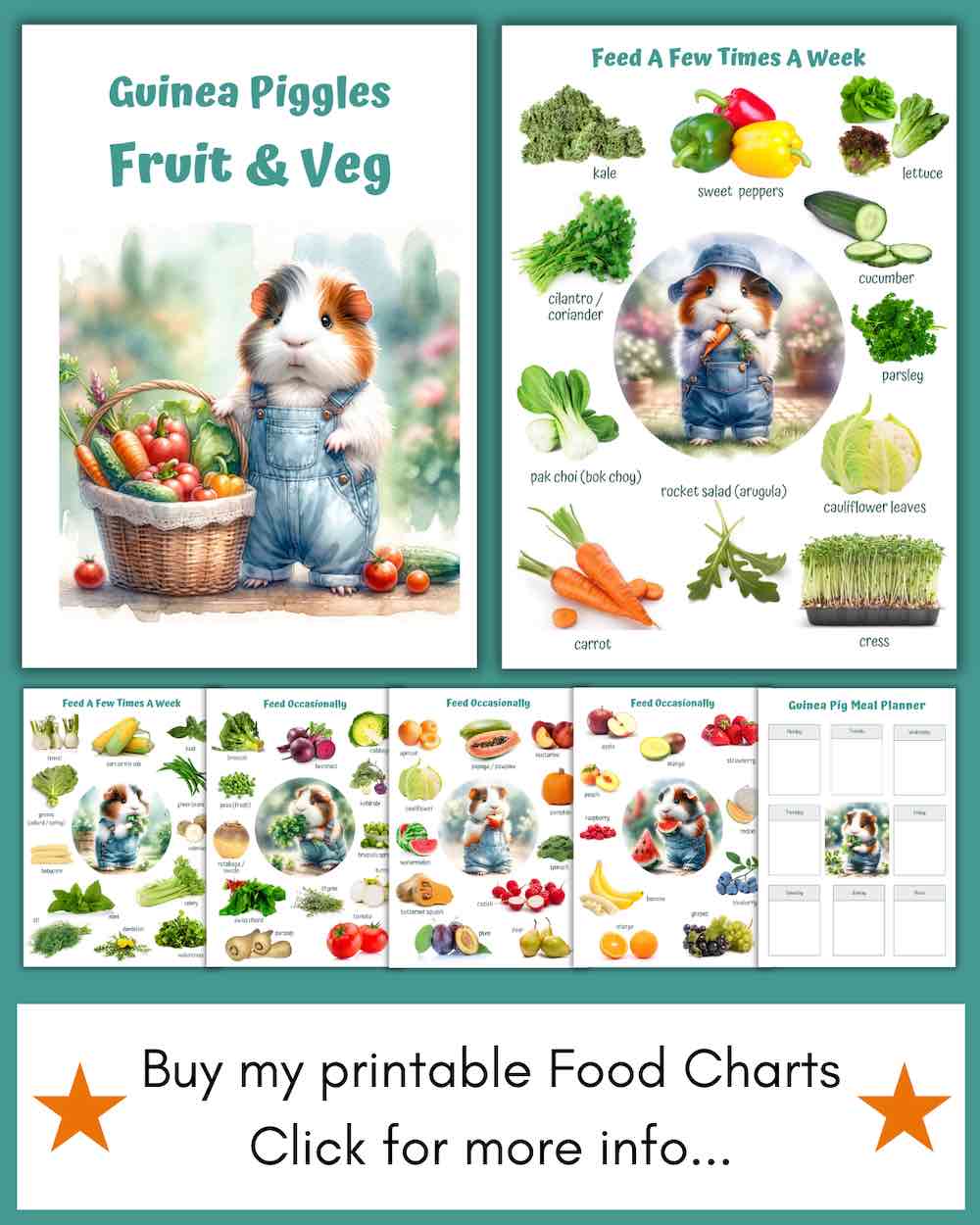
- Frequency: A few times a week, mixed with other leafy greens and vegetables.
- Quantity: Small amounts due to high oxalate content.
- Preparation: Wash thoroughly before feeding to remove any dirt or pesticides.
- Portion tips: Feed whole leaves if your guinea pig prefers, but chopped is also fine. Mix with a variety of other vegetables for a balanced diet.
Benefits of Collard Greens
- High in vitamin C — Supports immune health and helps prevent scurvy.
- High in calcium — Helps keep bones and teeth strong.
- Rich in fibre — Supports healthy digestion.
- Rich in vitamin K — Helps strengthen bones.
- Enjoyed by most guinea pigs — Often prefer whole leaves and will eat stalks as well.
⚠️ Oxalate Warning
Collard greens are high in oxalates. Feeding large amounts regularly can contribute to bladder stones, a serious health issue for guinea pigs. Always offer small portions and combine with a variety of other leafy greens to keep your pets healthy.
Nutritional Information
| Nutrition | mg per 100g |
|---|---|
| Vitamin C | 89.4 |
| Calcium | 276 |
| Sugar | 0.5 |
| Water | 87.5 |
| Fibre | 3.8 |
| Phosphorous | 45 |
Safe Vegetables
Full information on safe vegetables for guinea pigs including feeding guide ›
🫑 Bell Peppers → Read the Bell Pepper guide ›
🥬 Bok Choy → Read the Bok Choy (Pak Choi / Chinese Leaf) guide ›
🥦 Broccoli → Read the Broccoli guide ›
🥕 Carrots → Read the Carrot guide ›
🌱 Celeriac→ Read the Celeriac guide ›
🌱 Celery → Read the Celery guide ›
🥬 Collard Greens → Read the Collard Greens guide ›
🌾 Corn on the Cob → Read the Corn guide ›
🥒 Cucumber → Read the Cucumber guide ›
🌼 Dandelion → Read the Dandelion guide ›
🌿 Fennel → Read the Fennel guide ›
🌿 French Beans (Fine Green Beans) → Read the French Beans guide ›
🥬 Kale → Read the Kale guide ›
🥬 Lettuce → Read the Lettuce guide ›
🌿 Spinach → Read the Spinach guide ›
🍅 Tomato→ Read the Tomato guide ›
🍃 Watercress→ Read the Watercress guide ›
Safe Herbs
Full information on safe herbs for guinea pigs and feeding guide ›
🌿 Basil → Read the Basil guide ›
🌱 Coriander (Cilantro) → Read the Coriander guide ›
🌿 Dill → Read the Dill guide ›
🌱 Mint → Read the Mint guide ›
🌿 Parsley → Read the Parsley guide ›
Safe Fruits
Full information on safe fruit for guinea pigs and feeding guide ›
🍎 Apple →Read the Apple guide ›
🍌 Banana →Read the Banana guide ›
🫐 Blueberries →Read the Blueberries guide ›
🍇 Grapes →Read the Grape guide ›
🍈 Melon →Read the Melon guide ›
🍓 Strawberries →Read the Strawberry guide ›
🍉 Watermelon →Read the Watermelon guide ›
